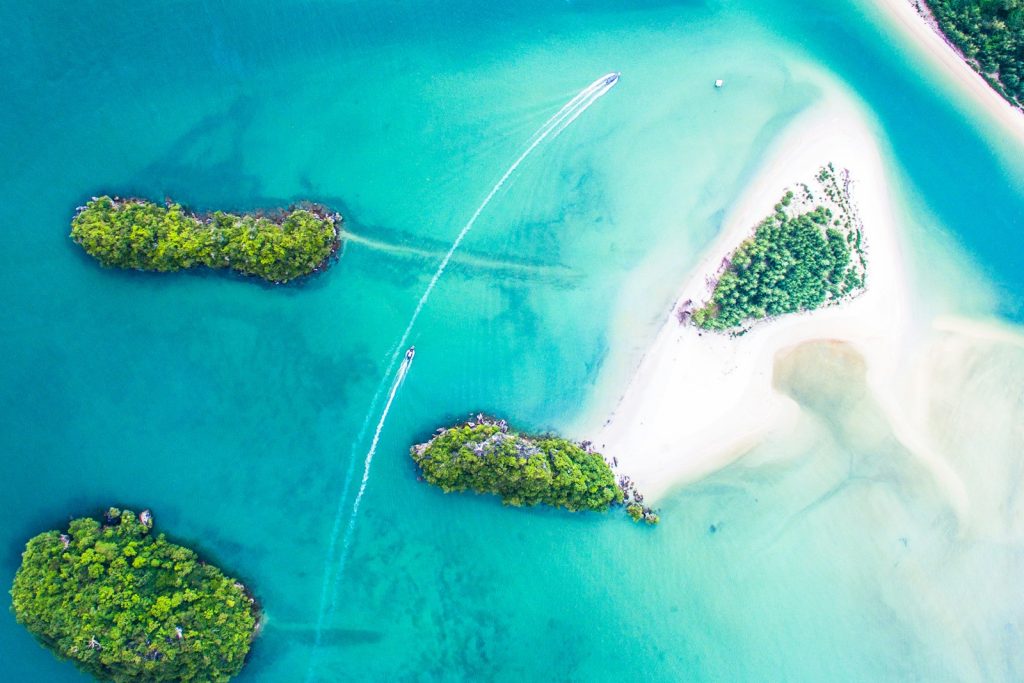
Choosing an Island Getaway: What to Weigh Before You Go
Not every island suits every traveler. Here’s how to match the island to the getaway you have in mind.
Key points
- How you get there matters: a direct flight or short ferry makes a short trip far more relaxing.
- Small islands suit slow, simple trips; larger islands offer more variety but need more getting around.
- Check the weather pattern for your month, since some islands have distinct rainy or storm seasons.
- Think about what you’ll do beyond the beach, especially on longer stays.
An island getaway promises water, sunshine and a slower pace. But islands vary enormously: some are a short ferry ride away, others take a full day of travel; some have one quiet village, others have cities, mountains and highways. Choosing well starts with what you want from the trip.
How will you get there?
Access shapes the whole getaway. Before falling for a beach photo, check:
- Direct flights or ferries from your area, and how often they run.
- Total door-to-door time, including connections, ferry schedules and transfers.
- Arrival times, since late arrivals on small islands can mean limited transport.
On a short trip, an easy journey is worth more than a slightly better beach. Save the hard-to-reach islands for longer holidays.
Small island or large island?
| Factor | Small island | Large island |
|---|---|---|
| Pace | Quiet and slow | Varies by area |
| Getting around | Walking, bikes, local boats | Usually a car or tours |
| Variety | Beaches and a few restaurants | Towns, nature, culture and nightlife |
| Best for | Unwinding, couples, short stays | Longer trips, families, explorers |
| Trade-off | Fewer services and options | More time spent traveling around |
Beaches aren’t all the same
If the beach is the point of the trip, look closely at what kind of beach you want:
- Calm, shallow water suits families and casual swimmers.
- Waves suit surfers and bodyboarders but can be rough for swimming.
- Reefs are great for snorkeling but may mean rocky entry points.
- Busy beaches offer cafes and rentals; quiet coves offer space and fewer facilities.
Guest photos and recent reviews tell you more about a beach’s real conditions than promotional images.
Check the season
Many islands have a clear high season and a wetter or stormier period. In the Atlantic and Caribbean, hurricane season officially runs from June through November, with the busiest stretch typically later in that window. Other regions have monsoons or windy months.
Worth knowing
Traveling in a shoulder or rainy season can mean fewer crowds and more availability, but it can also mean short, heavy showers or the occasional disrupted plan. Flexible bookings help.
Plan something beyond the beach
Even the most relaxed trip benefits from a few options for cloudy days or restless afternoons:
- Boat trips, snorkeling or kayaking
- Hikes to viewpoints or waterfalls
- Local markets, food tours or historic towns
- A day trip to a neighboring island
Our verdict
For a short getaway, choose an island that’s easy to reach and suits your idea of a perfect beach day. For a longer trip, consider a larger island with more to explore. Either way, check the weather pattern for your dates, and keep a few non-beach ideas ready. If you’re still weighing very different trips, our guide to picking a destination can help.
Questions travelers ask
What’s the best island for a first island vacation?
Usually one that’s easy to reach, has a good range of places to stay and offers a few activities beyond the beach. That keeps the trip simple while leaving options open.
Do I need a car on an island?
On small islands you can often manage on foot, by bike or with local transport. On larger islands, a car can make it much easier to explore beyond your hotel.
When is hurricane season?
In the Atlantic, the official hurricane season runs from June through November. Other regions have their own storm and rainy seasons, so check the specific island’s climate.