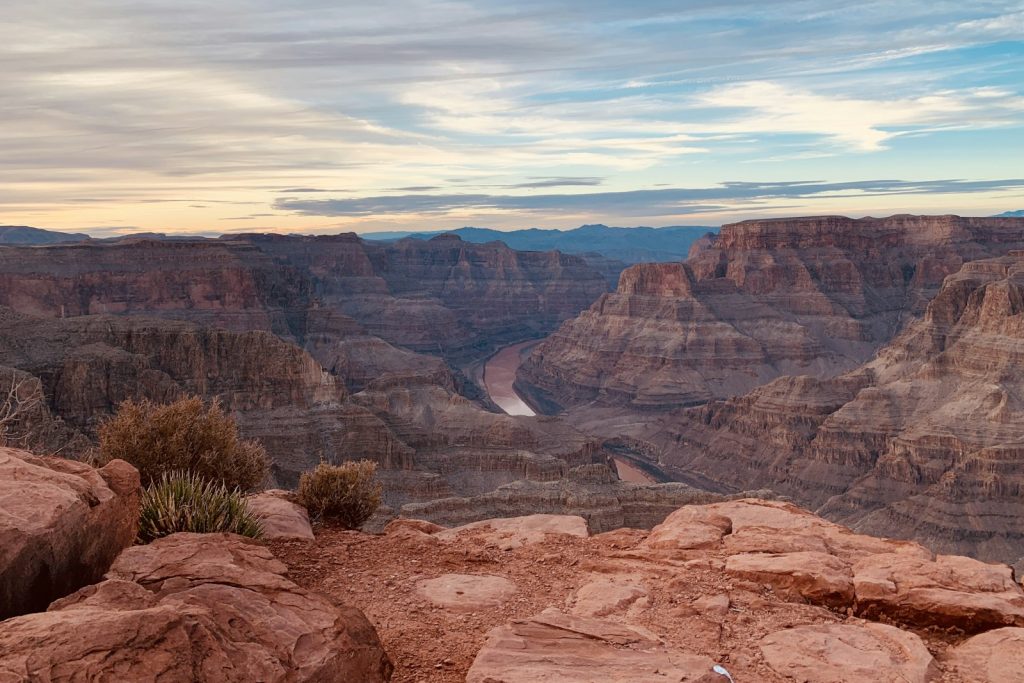
Planning Your First National Park Trip
National parks reward a little planning. Here’s how to get the basics right on your first visit.
Key points
- Choose a park based on your interests, travel time and the season you can visit.
- Some popular parks require timed-entry reservations or permits in busy months, so check the official park website early.
- Lodging inside or near popular parks can fill far in advance; book once your dates are set.
- Plan shorter hikes than you think you can manage, and start early to avoid crowds and heat.
A national park trip can be one of the most memorable vacations you take. The landscapes are spectacular, but popular parks can also be busy, and some require reservations. A bit of planning turns a good visit into a great one.
Choose the right park
Start with what you want to experience:
- Dramatic landscapes: canyons, mountains and geysers make for unforgettable scenery.
- Easy access: some parks have short, paved trails and scenic drives that suit all ages.
- Wildlife: certain parks are known for seeing animals in their natural habitat.
- Water: lakes, rivers and coastlines add kayaking, swimming or boat trips.
Then factor in travel time. A park within driving distance makes a long weekend easy, while more remote parks need longer trips.
Pick your dates carefully
Seasons change everything in a national park. Summer brings the most open roads and facilities, but also the biggest crowds and, in some parks, intense heat. Spring and fall can be quieter, but some roads, campgrounds or visitor centers may have reduced hours.
Check the park’s official page on nps.gov for seasonal road openings, closures and alerts before you commit.
Check entry requirements early
Several popular parks use timed-entry reservations, vehicle permits or ticketed access to specific areas during busy months. Some reservations open months ahead, while others release a limited number the day before.
Heads up
Reservation systems and dates can change from year to year. Always confirm current requirements on the official park website rather than relying on older guides.
Decide where to stay
You’ll usually choose between:
| Option | Advantages | Trade-offs |
|---|---|---|
| Lodges inside the park | Wake up close to the trails | Limited rooms that book up early |
| Campgrounds | Close to nature and often affordable | Reservations and gear needed |
| Nearby gateway towns | More choice, restaurants and services | Daily drive into the park |
If you’re staying outside the park, check how long the drive is to the areas you most want to see. Our guide to building a realistic itinerary can help you plan around drive times.
Pace your days
- Start early. Mornings are cooler and quieter, and parking is easier.
- Choose hikes within your comfort level. Trails often take longer than expected, especially with elevation.
- Carry water and layers, and check conditions at the visitor center.
- Leave time to simply look. Scenic overlooks and short walks can be the highlights.
- Follow park rules about wildlife distances and staying on trails.
Before you go
Choose a park that fits your interests and travel time, pick dates with the season in mind and confirm reservations and road status on the official website. With the essentials sorted, you can focus on the views.
Questions travelers ask
Do I need a reservation to enter a national park?
Most parks don’t require one, but some popular parks use timed-entry reservations during busy seasons. Check the park’s official page on nps.gov before you go.
How many days do I need in a national park?
It depends on the park’s size. Smaller parks can be enjoyed in a day or two, while large parks often deserve three days or more.
Is there an annual pass for US national parks?
Yes. The America the Beautiful pass covers entrance fees at national parks and many other federal recreation sites for a year. Check the current terms before buying.