Traveling With Prescription Medications: What to Check Before You Go
Key points
- Medication can go through TSA checkpoints in any quantity, but liquids over 3.4 ounces must be declared and screened separately.
- Many countries allow only a 30-day supply and require a prescription or medical certificate, so check with the destination’s embassy.
- Common US medications, including sedatives, ADHD stimulants and pseudoephedrine, are restricted or banned in some countries.
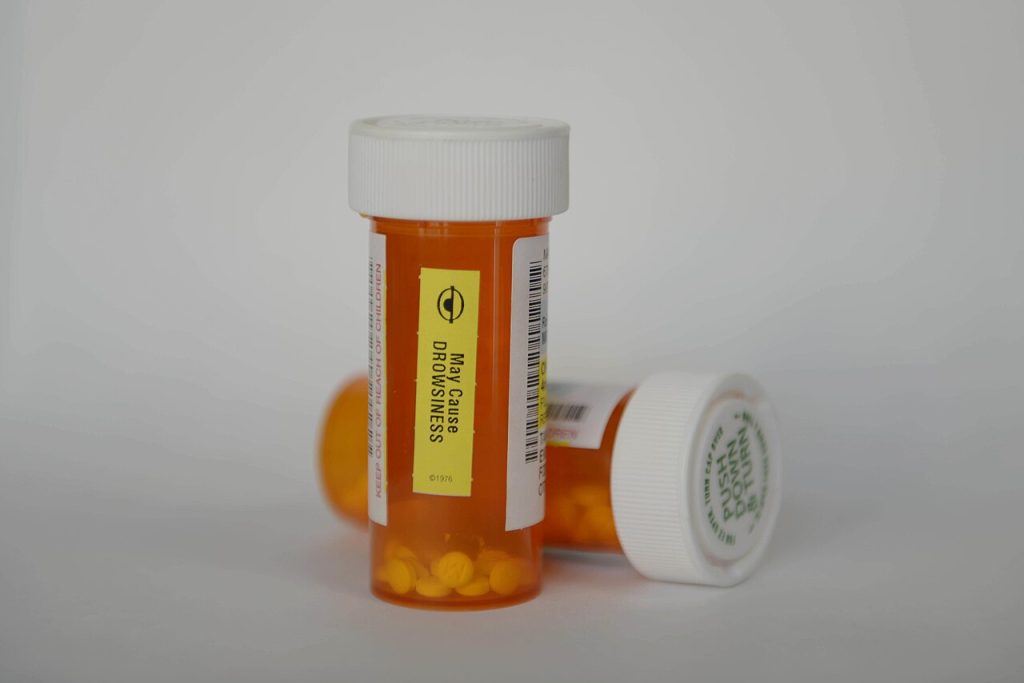
- Carry prescriptions in original labeled bottles and keep paper and digital copies of prescriptions with you.
- Take medicine by time since your last dose when crossing time zones, and pack extra in case of delays.
Prescriptions are easy to overlook in trip planning, and that’s where problems start. Airport screening rules, foreign drug laws and refill schedules all affect how you pack. Sort these out a few weeks before departure and the rest is routine.
Carry-on rules: TSA screening for pills, liquids and supplies
Pills, capsules and most other solid medication can go through security in any quantity, in your carry-on or a pill organizer. All passenger items are screened, and TSA recommends that medication be clearly labeled to speed things up.
Liquids follow different rules. The standard limit for carry-on liquids, gels and aerosols is containers of 3.4 ounces (100 milliliters) or less, all fitting in one quart-sized bag. Medication is an exception: TSA allows larger amounts of medically necessary liquids, creams and aerosols in reasonable quantities for your trip. To use that exception, declare the items to the officer at the checkpoint and remove them from your bag so they can be screened separately from your other belongings. Items that alarm during screening may face additional checks.
If you use injectable medication, insulin or a device such as an insulin pump, tell the officer before screening begins. For questions before travel day, you can text “Travel” to AskTSA (275-872) or call the TSA Cares helpline at (855) 787-2227 at least 72 hours before your flight. Live agents answer weekdays from 8 a.m. to 11 p.m. ET and weekends and holidays from 9 a.m. to 8 p.m. ET.
Travel tip
Keep all medication in your carry-on, never a checked bag. Checked bags get lost, delayed and exposed to temperature swings that can affect certain medicines.
Original bottles, labels and what documentation to bring
TSA doesn’t require original bottles, but labeled packaging makes checkpoint screening simpler. Labels matter more abroad, where customs officers may want to match pills to a prescription.
For international trips, the CDC recommends carrying:
- Copies of your prescriptions for medications, glasses and medical supplies, in both print and digital form
- A letter from your healthcare provider listing each medication by generic name, with dosing details and what it treats
- Your health insurance information and a contact card for a family member at home
If your medication requires needles, a doctor’s letter on letterhead is generally advised. Ask your provider whether the letter needs to be in the destination’s language.
Checking whether your medication is restricted at your destination
This is the step travelers skip most often, and it’s the one with the most serious consequences. Each country sets its own drug laws, and medications that are routine in the United States can be unlicensed, restricted or flatly illegal elsewhere. Getting caught with a prohibited medication can mean confiscation, denied entry, delays or arrest.
The CDC points to several categories that deserve extra caution: narcotics such as hydrocodone and oxycodone, sedatives such as alprazolam and diazepam, and stimulants used for ADHD, which some destinations treat as illegal. Even zolpidem, a common sleep aid, requires permission in some countries and is banned in others. Pseudoephedrine, found in many cold medicines, is also restricted in some places.
Before you go, check with the embassy of your destination and the embassies of any countries where you have layovers. The International Narcotics Control Board website offers general information on controlled substances by country. If your medication isn’t allowed, talk with your healthcare provider about alternatives. Our international travel documents checklist covers the other paperwork to confirm before an overseas flight.
Refills, time zones and how much supply to pack
Pack enough for the whole trip plus extra for delays. Many countries allow only a 30-day supply of certain medicines, and some insurance plans pay for only 30 days at a time, so if you’ll be gone longer, ask your provider how to get enough before you leave.
Crossing time zones changes your schedule. The CDC advises taking medicine based on the time since your last dose, not the local clock, and asking your provider whether any adjustment is needed. When booking, remember that prescriptions and appointments factor into timing; our guide on how far ahead to plan a trip walks through the full timeline.
Storing medications on the road
Extreme temperatures can reduce the effectiveness of many medicines, so avoid leaving them in a hot car, on a sunny beach or in freezing conditions. Check whether yours need refrigeration and plan how you’ll keep them cool in transit and at your hotel. Ask your provider or pharmacist how to store your specific medication safely while traveling.
If your medication is lost or stolen mid-trip
Keep medications split between two bags so one loss doesn’t take everything. Carry digital copies of prescriptions, and note the generic names of your drugs, since brand names often differ abroad. If medication disappears, contact the nearest US embassy or consulate for help finding a pharmacy or doctor, and reach out to your insurance provider about coverage. Your prescribing provider can also help arrange an emergency supply.
A bit of paperwork goes a long way. Once your medications are sorted, you can put your energy into the itinerary instead; our guide to building a realistic travel itinerary is a good next step.
Questions travelers ask
Do prescription pills need to stay in the original bottle for TSA?
TSA does not require original bottles, but it recommends that medication be clearly labeled to make screening easier. Original bottles also help at borders, where customs officers may want to see the label.
Can I bring liquid medication over 3.4 ounces through security?
Yes. TSA allows larger amounts of medically necessary liquids, but you must declare them to the officer at the checkpoint and remove them from your bag so they can be screened separately.
How far ahead should I check my medications before an international trip?
CDC guidance suggests seeing your healthcare provider or a travel health specialist at least 4 to 6 weeks before you leave. That gives you time to confirm your medication is legal at your destination and arrange enough supply.
Do I need a doctor’s letter to travel with medication?
Rules vary by country. Many destinations that limit travelers to a 30-day supply ask for a prescription or a medical certificate, and a letter listing each medication, its generic name and your dosing schedule is widely recommended for international travel.